
 English
 Español
Vland Shares the Secret to Enduring Success in the Press Conference
On August 27, the Information Office of Shandong Provincial People's Government held the third session of press conference series themed "Forging Ahead into the 14th Five-Year Plan: Private Enterprises Shoulder Responsibility". Four entrepreneurial representatives were invited to share their experience. Chen Gang, Chairman and President of Qingdao Vland Biotech Inc., spoke at the event. The following is a transcript of the discussion.
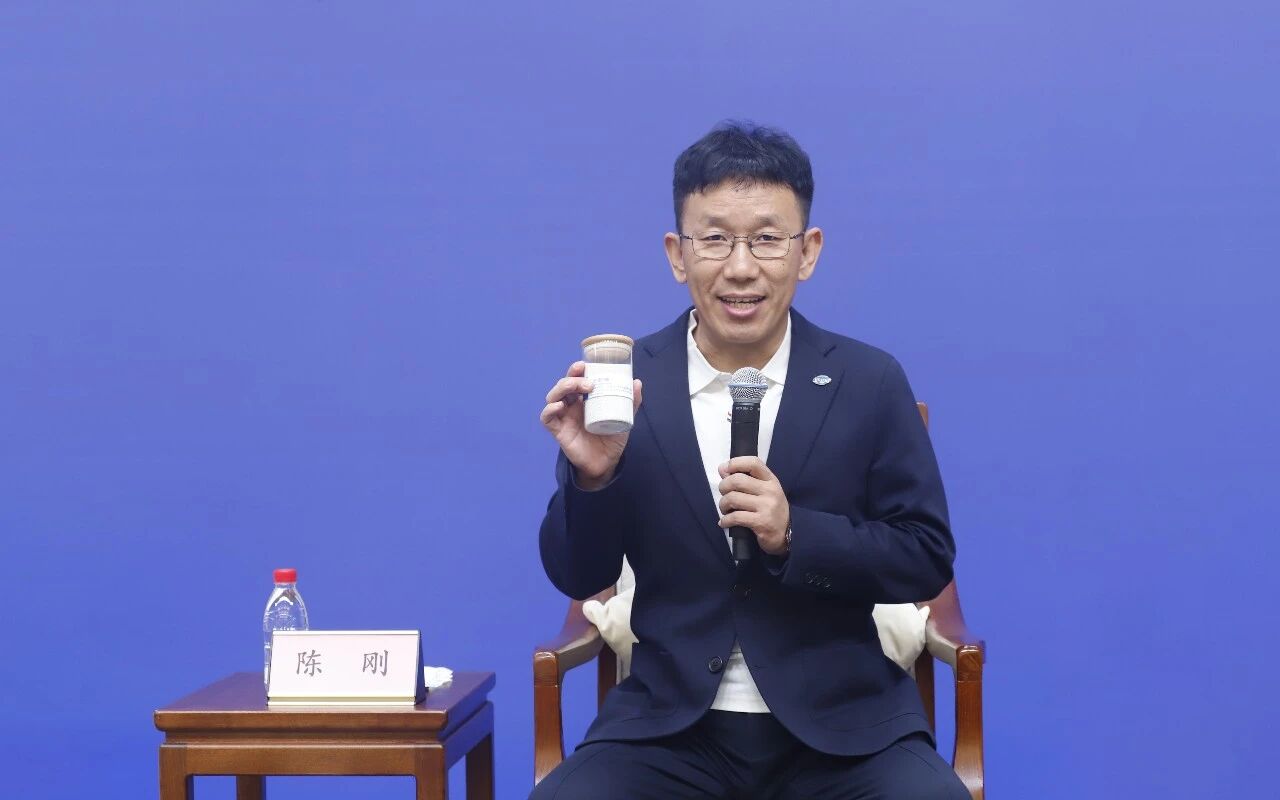
Chen Gang: Hello, everyone! I am Chen Gang from Qingdao Vland Biotech Inc. Established in 2005 and listed on the SSE Main Board in 2019, Vland is a technology-driven biotech enterprise specializing in the R&D and production of biological enzymes.
You might find the term "enzyme preparations" unfamiliar or feel they are far removed from daily life; in reality, however, they have a wide range of applications and are closely linked to our lives. They are extensively used in industries such as manufacturing, agriculture, bioenergy, beer brewing, and food processing. Today, I have brought an enzyme product with me — alkaline protease — the enzyme used in enzyme-enhanced detergents. For decades, this sector was monopolized by two foreign companies; after more than ten years of tackling key technical challenges, we broke that monopoly and achieved import substitution.
Beyond the detergent sector, we have achieved technological breakthroughs in multiple fields, including bioenergy, animal feed, biocatalysis, and straw-to-sugar conversion. The root cause of these breakthroughs lies in the integrated innovation capabilities fostered by the innovation system Vland has built since 2016.
Since establishing our technological innovation strategy, we have consistently dedicated at least 8% of our revenue to R&D; in 2025, R&D investment is set to exceed 10% of sales revenue — a result of our commitment to long-term development. Throughout our growth, we have actively recruited global talent, establishing an innovation system comprising 36 full-time PhDs and nearly 300 researchers, continuously delivering innovative outcomes and mature industry solutions.
Looking ahead, we will continue to gather and integrate global innovation resources, striving to transform Vland into an industrial biotech platform enterprise with global influence.
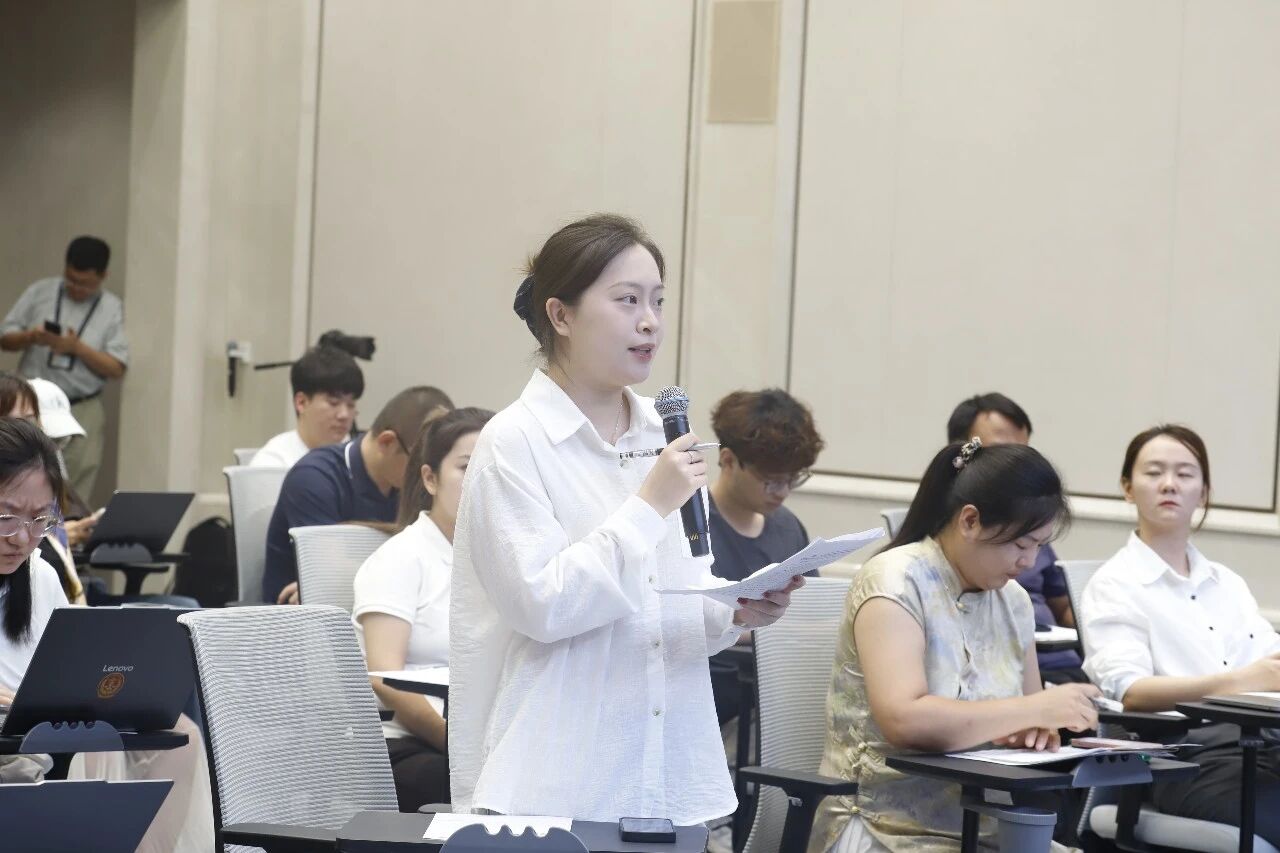
Phoenix New Media: Establishing and perfecting a modern enterprise system with Chinese characteristics is the key to ensuring a company's enduring success. Could you please share your companies' practices in this regard and recount some memorable stories from your development journeys?
Chen Gang: I believe the core of the modern enterprise system lies in incentives; human behavior is driven by them. Given this, we must implement incentive programs effectively, and the crux of these incentives is the distribution mechanism. You could say that the size of the "pie" we can create depends largely on how we distribute the rewards. That is why we have been actively exploring distribution mechanisms tailored to our company's growth. As an innovation-driven enterprise, Vland relies heavily on innovative activities. A crucial prerequisite for our innovation is that it must be highly efficient and yield results that can be successfully implemented and commercialized. Consequently, we have identified a specific group within Vland as our primary targets for incentives — a group we internally call "techno-entrepreneurs".
In today's world, there is no shortage of entrepreneurs or scientists; what is truly scarce are scientists who possess an entrepreneurial spirit. Such talent is the key force driving high-efficiency innovation. As early as 2016, we began exploring the "platform + maker" model and implemented it at Vland. We proactively dismantled traditional hierarchical organizational structures, separated production from sales, and encouraged internal innovators to launch their own ventures. After a decade of practice, we have established a three-tiered "maker" mechanism comprising individual makers, project-based makers, and corporate-based makers. To date, we have incubated over 20 maker companies and fostered more than 300 individual makers. Let me illustrate this with two real-life examples.
The first involves a young staff who joined Vland after completing his master's degree at Jiangnan University; he possessed exceptional personal capabilities. He started in the laboratory before moving to a production base to work as an engineer. Not content with mere technical R&D, he embodied the "scientist with a business mindset" we value so highly. He expanded existing technologies into new application scenarios, generating significant market returns. Three or four years ago, we established a subsidiary — Wuxi Vland Biotech Co., Ltd. — for him in Wuxi, marking his transition from a researcher to an entrepreneur within our ecosystem. Another example is a PhD graduate from Carnegie Mellon University in the U.S. who returned to China with the ambition of starting his own business. He had previously engaged with various investment institutions, but they often imposed numerous restrictive conditions. Upon learning about Vland’s "Maker" mechanism — a platform designed to support entrepreneurs — he proactively reached out, and the two parties immediately found common ground. Vland could provide the vast majority of resources needed for his venture, eliminating the need for him to invest in fixed assets; laboratories, office space, logistical support, and manufacturing systems were all available for shared use. Thanks to this model, he was able to launch his business with minimal cost and manageable risk.
An effective mechanism not only unlocks individual potential but also attracts top talent. Moving forward, we will continue to refine and improve this mechanism, inviting innovators and entrepreneurs from around the world to join our platform. An organization's boundaries are defined not by grand visions but by human capability; talent is the true boundary of an organization. Only with a wealth of exceptional talent can an enterprise achieve steady, long-term growth.
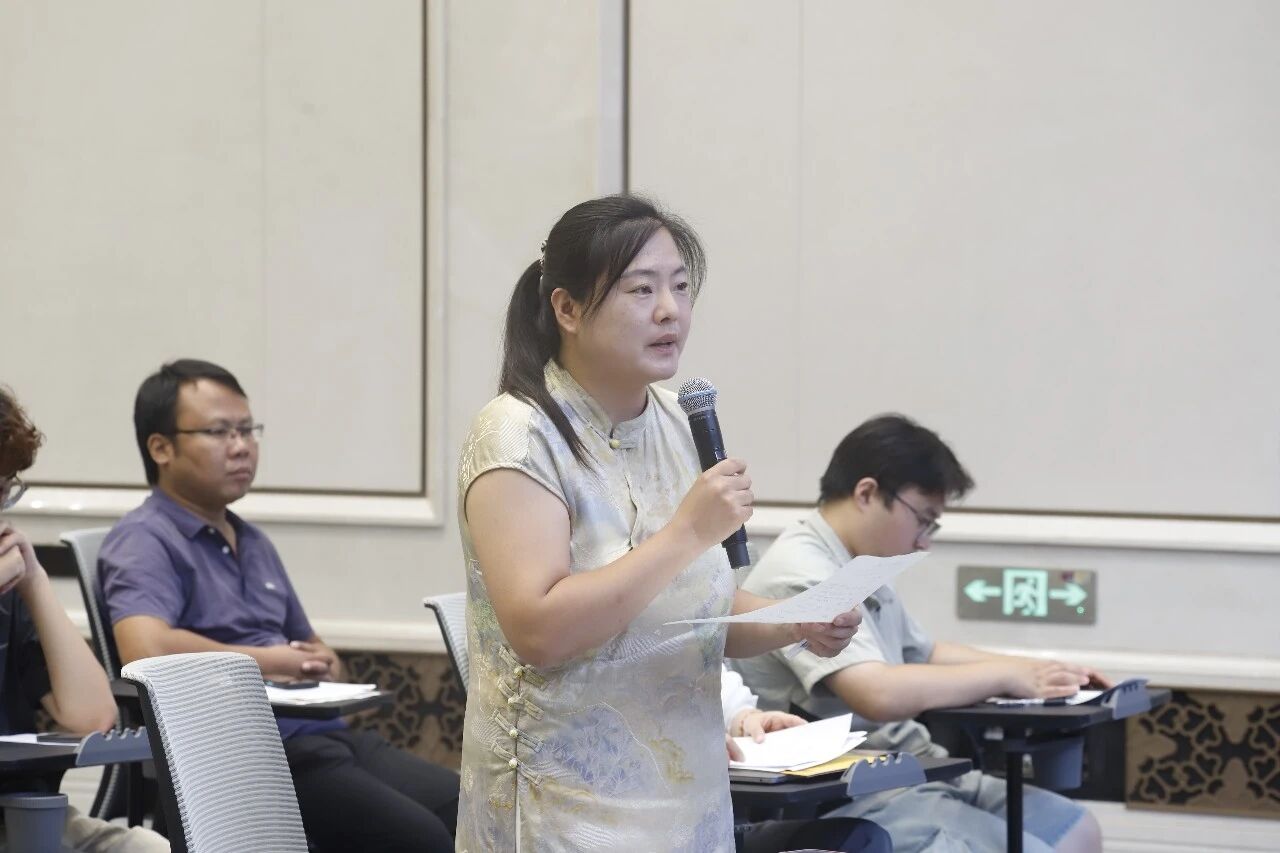
Shandong Radio and Television Station: Mr. Chen Gang, as an increasing number of Chinese private enterprises expand into international markets, what strategic plans and concrete actions has Vland taken regarding its global expansion?
Chen Gang: Going global is a hot topic right now, and Vland is currently advancing a strategy of "glocalization". Let me share my perspective through two brief stories.
In 2018, we decided to build our first overseas production base in Vietnam. We had several options at the time; we could have chosen a low-cost model to minimize investment. Instead, we opted for the highest possible specifications, installing state-of-the-art equipment and control systems — standards that far exceeded local requirements in Vietnam.
Once completed, the factory quickly became a benchmark project in the local biomanufacturing sector, earning widespread recognition and respect. After several years of development, the Vietnam operation is thriving; out of dozens of employees, only two are from China.
Two months ago, I led a delegation to Central Asia to explore opportunities, visiting Kazakhstan and Uzbekistan, and the experience left a deep impression on me. At a leading agricultural enterprise in Uzbekistan, the factory utilized a complete suite of European equipment and German control systems — a level of sophistication rarely seen even back in China. After returning from Central Asia, I shared some reflections with my team centered on the theme: "Cast aside arrogance and approach global expansion with humility".
Venturing into overseas markets today goes far beyond traditional international trade or cross-border e-commerce; it involves the integrated export of industries, capital, talent, and comprehensive solutions to achieve deep localization. Throughout this process, I constantly remind my team to shed any sense of arrogance or inherent superiority, to earnestly study local market characteristics, to respect local cultures and customs, and to actively recruit and integrate top local talent. The greater the degree of localization, the more significant the results of our global expansion will be.
Vland evaluates the success of its global expansion strategy based on two dimensions: operational performance and the proportion of foreign employees. Vland currently employs over 1,500 people, nearly 50 of whom are foreign nationals. This figure is set to rise, signaling the increasingly solid implementation of our glocalization strategy.
Moving forward, we will leverage Vland's Hong Kong office as a strategic overseas headquarter to actively expand into Central Asia, Africa, Southeast Asia, and South America. By seeking high-quality partners and driving industrial implementation, we aim to transform Vland into a biotech enterprise with global competitiveness.
(Images and text courtesy of the Information Office of Shandong Provincial People's Government / "Shandong Fabu")
CONTACT US
| 
Follow us |
 Add.:
Add.:  Tel.: +86 532 88969585
 Email: kdn@vlandgroup.com